

“I’d Like to Check Out…”
The bell trills to greet your entry. Right away, you hear the ambient noise of anchored televisions and afternoon seekers on the hunt between aisles for the exact right selection. In the backroom, where prized new releases are readied for eager patrons, you can detect a few familiar notes of a rock standard trickling out from a stickered boombox: “Some'll win, some will lose…Some are born to sing the blues…”
There’s a strange but intoxicating waft of processed candy and packaged popcorn mingled with the very specific, almost sickly sweet industrial scent of hundreds of plastic movie cases arrayed for your browsing pleasure. Some bespectacled, wry clerk spins through whorls of thought on a stool behind the counter, chewing away the microburst of artificial flavor delivered by his sixth stick of Juicy Fruit for the day. He wears a faded charcoal t-shirt featuring an obscure metal band from Dayton, Ohio, or maybe a cartoonish robot from some 1950s sci-fi serial or, somehow, both.
Lurid film posters of now forgotten creature features share limited wall space with beloved foreign films only the initiated can claim to have seen, let alone understand…
Over 43,000 Titles
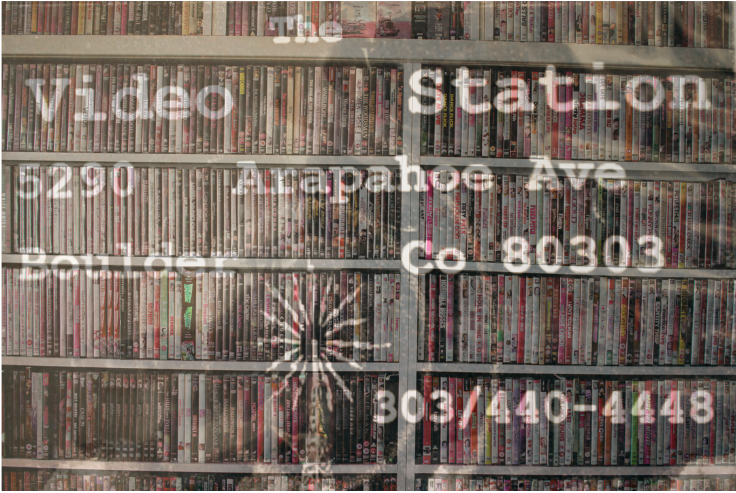
If you were drawn to the weird depths of film and TV culture in the late 20th and early 21st centuries, the above would immediately bring you back to the place you belong: the local video store of yore.
For me, growing up in Boulder, Colorado, this was The Video Station. Opened in 1981, the centrally located magnet for jonesing movie hounds offered up two floors of everything from the latest hits to back catalogues of long-ago broadcast TV shows to lovingly curated alcoves of film titles ordered by genre, country of origin, director, actor, year, staff favorites…The organizational criteria certainly evolved, sometimes on the whim of whoever happened to be working that week.
At first, this hometown staple provided seemingly every VHS known on the planet (“Please be kind, rewind”). Then, came the rare luxury of laserdiscs (which always seemed so unattainably fancy to my lowly VCR family) mixed in with the endless shelves of videocassettes. Finally, the explosion of the DVD age came into full swing (“Oh, the quality is so much better...don’t scratch it!”). No matter how obscure your title of choice, The Video Station had your fix. This remained true for more than two decades. Those of us who couldn’t get enough of the place should probably admit—when not showing polite deference to our devoted parental units—that we, to some extent, were raised between those well-stocked shelves, one rental to the next.
Now. Always and Forever.
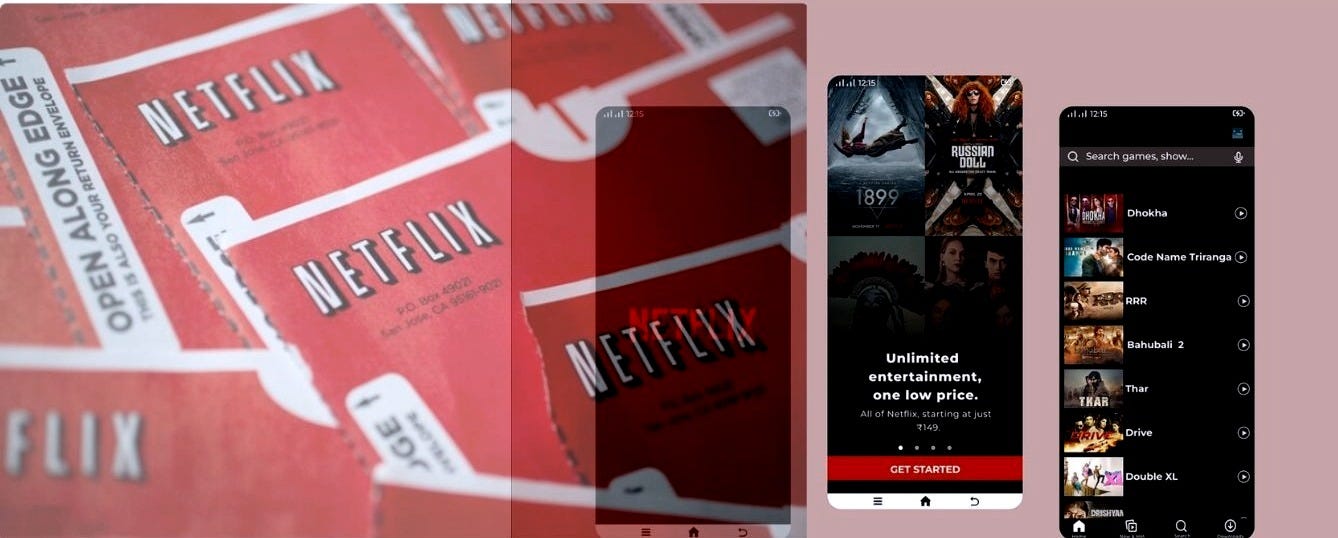
Things began to change for The Video Station around the early 2000s—slowly at first, then in earnest.
The queue of fans desperately waiting to get their hands on the latest release began…to thin out a bit. People gravitated in steadily growing numbers toward this DVD-by-mail service you accessed online like, increasingly, every other service in the world. Even the far more popular, ubiquitous Blockbuster rental chain locations began to see declines in customers.
The world was moving on. People were migrating toward easier access and endless supply, from the province of physical media that you bought, stacked and collected, to another kind of otherworldly fluid digital realm referred to simply as ‘streaming’. You no longer needed to go anywhere for your entertainment. It came to your living room, then your laptop, and, ultimately, to your smartphone (a.k.a. the greatest entertainment/drug delivery system ever invented). You became the programmer, separated by only a thin layer of tactile glass from the ol’ tube you once huddled around with your family—you and your device were the station for everything. Now. Always and forever.
There were moments at this point in history, no matter how fleeting, when we would wonder what happened to the legions of film clerks out there. What was that raggedy t-shirt they used to wear?...smirk lifting at the corners of your mouth.
They all went online, of course. Some became trolls. Others became podcast hosts. Some became Ted Sarandos.
We Have Choices, Folks
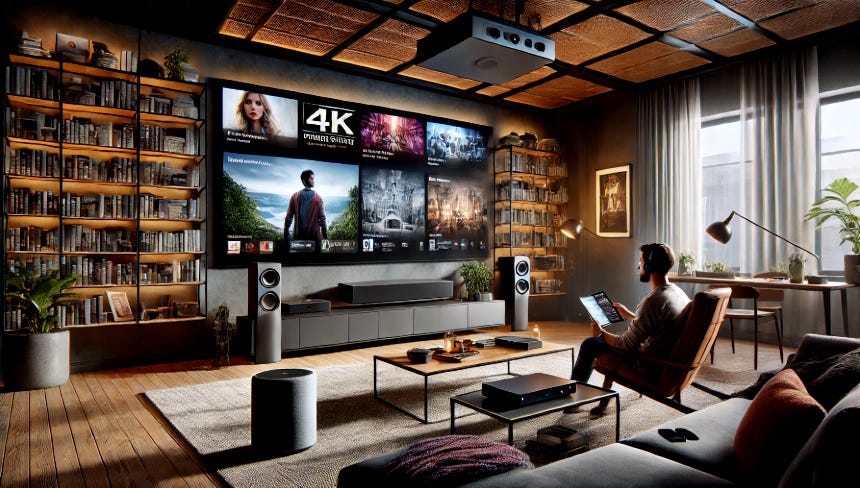
All of us, though, with our tailored video-on-(“RIGHT GODDAMNED NOW!!”)-demand platforms, compiled playlists, and private viewing theaters of the modern-day-multi-mediated-extravaganza will dictate the years ahead for all things culture and entertainment. No matter how it may seem like we are led by the nose, or click baiting, we choose what films, television, theater, books, and music will occupy our scant time and assaulted senses. This is true whether we’re mindlessly scrolling or leaning in to track every detail viewable on our high-definition screens.
That’s what this blog will be about. Yes, you’re right, I did bury the lede. Sometimes you need to settle in and get comfortable before the opening credits roll across the screen.
Yours truly, Tony Cleasby, will be studying trends and offering musings on what’s going on in the strange world of arts and entertainment. I aim to discuss how we got here, what we’ve left behind, and where we can go in the future. I will do this by piecing through data and attempting to distill accordingly.
For my initial posts, I will focus primarily on the state and trajectory of the film and TV industry (whatever ‘TV’ is at present day…), as this remains a source of fascination for me both personally and professionally. However, I will also delve into the related worlds of publishing/books, theater, music…and whatever alien, multisensory medium is concocted by Gen Alpha and ChatGPT. I will take on this project, too, because all such cultural, well, ‘streams’ are interdependent and inextricable. You can’t understand where all these ideas, stories, and memes come from without comprehending where they connect and diverge, where they feed each other and create something new.
Art and CEPTC
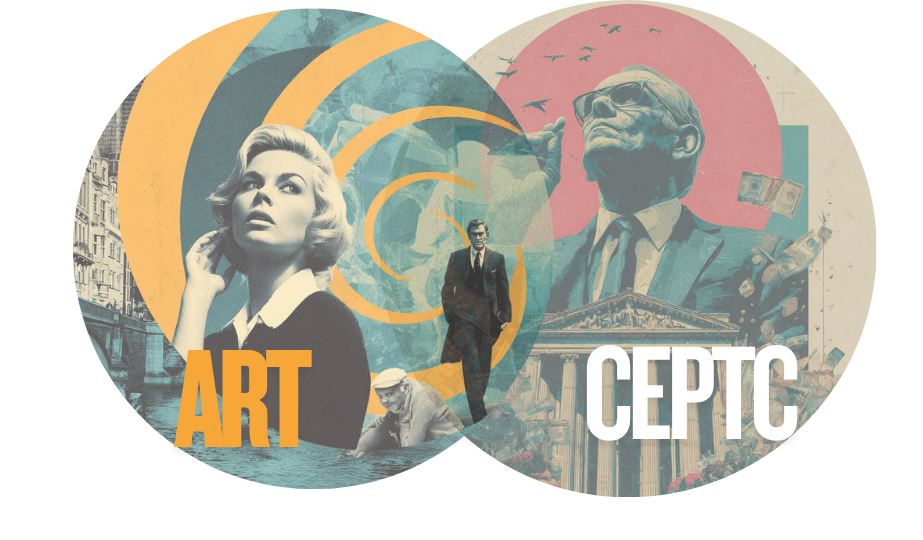
What I hope sets this blog apart from the endless commentary inundating people’s feeds is my aim to take into account not just the economics of our collective entertainment mediasphere or concentrate solely on the critical appreciation of the present day cultural deluge, but rather to locate and examine what happens at the intersection of art and commerce—and, in the process, fashions the cumulative sociocultural experience of our melded, cacophonous lives.
It’s so easy to get lost in subscription numbers, engagement metrics and earnings reports or, conversely, fixate entirely on the art (whatever it may be) without interrogating its origins in the sometimes grubby, but also illuminating realm of what I affectionately call the CEPTC (or the ‘crazy economics of power and technology cycle’). Kidding…kind of. Digging into both is essential: this dual analysis provides context for the cultures of tomorrow. The questions of ‘value’ and ‘impact’ are not viewed in purely quantifiable or qualitative terms, nor simply as matters of money and merit, but as the confluence of forces leading to various outcomes simultaneously driving the generative machinery of show business while unlocking previously unknown reserves of imagination (or so we hope).
It’s additionally just fun, engrossing and, I think, pretty damn important.
Why? Well, contrary to what the common 21st century impulse to doom scroll like an addled lab rat stuck in the algorithmic labyrinth would lead you to believe, the subject matter of arts and entertainment should not be raced through on a daily basis without deeper thought. Labeling ALL ‘this entertainment stuff’ as cheap gossip and mere escapism misses out on insights into our Frankensteinian character. The stories, ideas and—heaven forbid!—actual empathy we find in literary tomes and late-night movies and Instagram clips alike should not be dismissed as little more than transitory fluff.
Sifting Through Madness to Bottomless Popcorn
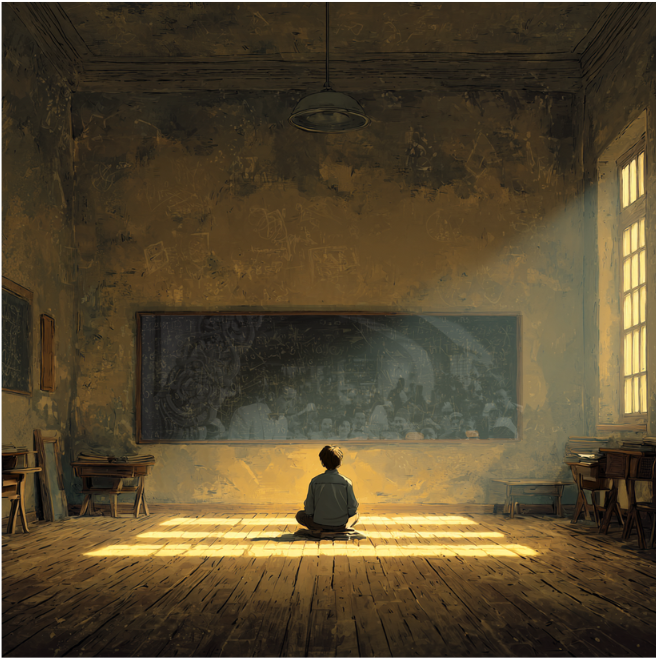
Sure, there’s plenty of nonsense churned out to fill the coffers of a conglomerated attention economy cartel. We should also never forget to view the arts and entertainment industries with a sense of humor that wholeheartedly embraces the madness at play. Art and storytelling are fundamentally about making stuff up for people to feel something, anything, more than they already do as conscious entities overcoming unfathomable odds to cohere from cosmic pollen into sentient beings that somehow live, breathe and cogitate about unrequited cravings for spicy Cheetos. In other words, part of the reason why we write books and make movies is that we’re bored with an infinite universe of possibilities. That’s ridiculous. And hilarious. For the love of god (any of them, really), please laugh. A lot.
But it’s not the only reason we produce such art. Whether we want to commune with artistic geniuses of past ages or mash-up clips of cats pushing babies into clothes hampers: it’s about the insatiable pursuit of attempting to experience and understand more. It’s about communicating and capturing—before our lives and loves get tossed into the grand recycling bin of existence—the complex nuances of what it means to be human at a given point in time as part of a group we identify community or family, or fellow space travelers. It’s aspirational. Raw. Reckless. Masterful. Fucked. Flawed. Wondrous. It’s us.
Maybe, too, it prepares and aids us as we attempt to process and make the most of that infinite universe of possibility waiting out there like the vigilant language arts teacher who sits alone in that giant classroom between periods, their chalk gently tapping on the ready blackboard in wait for all those crazed kids to come rushing in when the bell rings.
Or, maybe, we need movies, TV, books, theater, and internet reels to help us get down as much of that bottomless popcorn as we can. Regardless, we need it.
This is why, in short, I plan to be here writing on a (semi) regular basis, piecing through topics addressing our current era of media and entertainment—an era I am confident will be remembered as a turning point when we learned to either a). keep and transform or b). discard and forget what we cherished most while our societies and technologies advanced hand-in-hand at warp speed into mind-altering dimensions of creativity, storytelling and expression.
Just a Video Store (?)
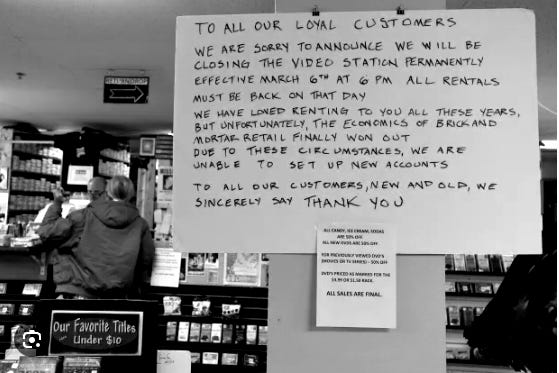
You know, The Video Station really tried to hang on. As streaming and digital applications became the standard of entertainment over the 2000s-2010s, the once proud beacon for cinephiles and TV aficionados in my hometown began to run into the age-old problems of declining profits and unsustainable rents. But the owners kept up a good fight, with the local faithful coming in whenever they could—for a while, anyway.
During this period, I grew up and left home for college. English major…shocked, right? After graduating, I took to a greenhorn professional life in cities like Philadelphia and Chicago, often taking suspiciously cheap bus trips to urban puzzle boxes like New York whenever a few bucks could be had. On these trips, for a few arctic days in February (“why are you going to Manhattan in February?!”), I would pretend I was in one of the film noirs or screwball comedies I had rented from The Video Station. I would conjure film shots I had watched over and over again, superimposing them in my mind over the Flatiron building or Grand Central Station while rubbing my hands together to keep warm. I stomped blood back into my frozen feet to the sounds of Gershwin that I kept primed on my iPod for just such occasions. No, you’re right, I was not getting laid, per se. But I still loved it. All my filmic relations would sit on the bench with me as I flipped through some experimental novel I bought—very legitimate-like—at the Strand. "A lamb loose in our big stone jungle."
In 2013, the owners of The Video Station moved to a much smaller location outside the main drag of downtown Boulder. The once crowded, multistory cinema haven in which I discovered auteurs like Melville, Fellini, Fuller, Kurosawa, De Palma, Burnett, Malick, Pakula, Varda, Truffaut, Goddard, Bogdanovich, Ray, Powell & Pressburger…and actors like Brooks, Garfield, Rowlands, Stanwyck, Fondas (all of them), Masina, Wright, Hackman, Mason, Poitier, Laughton…let alone used as my library to plumb the depths of anything I could get my hands on from masters like Hitchcock, Coppola, Scorsese, Brando, Bergman, Kubrick, Fincher, Welles…had devolved into a nondescript, one-floor shop tucked away in a strip mall next to a Subway and a few other last-ditch businesses with names that now elude me. When I was home for the holidays, I would still go rent a film or two at the new condensed version of my former church, smiling when I paid in a vain attempt to not acknowledge what was happening. It’s still there, anyway, I would think as I left.
When I returned in 2016 to Denver, Colorado, I had fully converted to all that streaming services had to give. I remember, for instance, watching this little upstart series called Stranger Things premiere on Netflix that same year. Historically speaking, the kids in the show were a bit older than me, but dear lawd did I relate to them. Outcasts? Check. Playing games and loving movies? Check. Hapless dreamers hoping to draw from the love of pop culture to save lives? Check. In fact, would those kids—and what they represented—have loved something like The Video Station? Check. Every so often, I would think of that sacred place, but I rarely, if ever, went there. When I did venture to Boulder, some 25 minutes away, I would focus on dutifully visiting my family instead of stopping to rent movies. I could watch them at home or get them sent my way in the mail, anyhow. Life went on.
Then, in 2017, the fateful day arrived. The Video Station had finally announced it would be closing its doors for good.1,2
I remember sitting in my apartment, and, as a full-grown adult, crying my eyes out. My girlfriend at the time looked on with some shock, not knowing really how to console me as I feebly tried to articulate what the place had meant to me. Was I surprised it had happened? No, it was inevitable. Did I feel like part of my home—a cornerstone source of my very identity and sense of self—had been tossed away due to, as industry commentators soullessly described, ‘technologically-driven shifts in consumer behavior’? Absolutely. The refuge that had taught me how to think and dream just as much, if not more than any other single destination on earth, wasn’t there anymore. What’s the big deal? It’s just a video store, right?
Shape of the Cultural Trove to Come
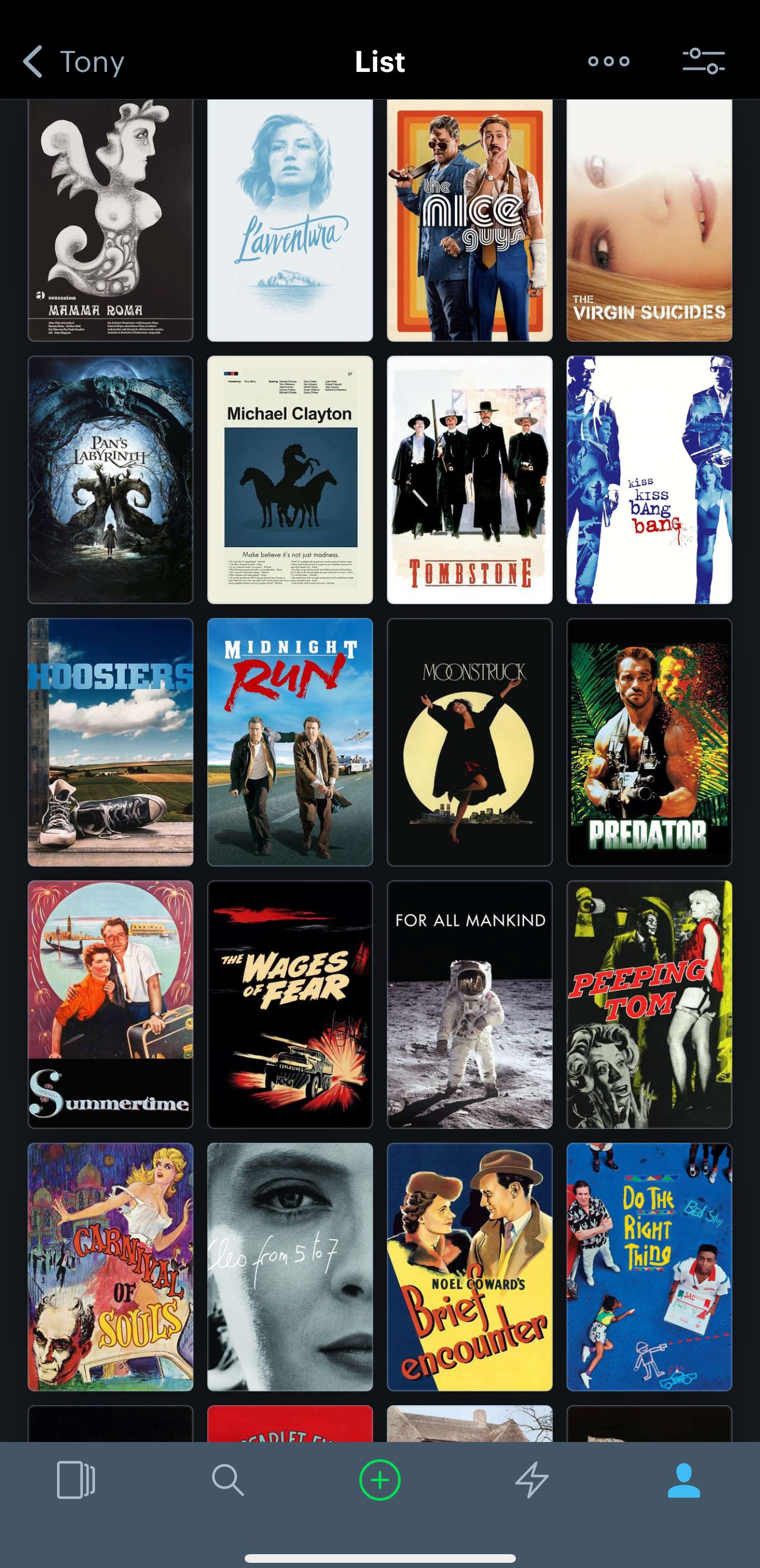
Eventually, however, I became heartened by what I saw happening online. The hallmarks of a rich film and TV culture became a reality.
…Streaming services with sophisticated watchlists. Spotlights on once forgotten gems. New filmmakers talking about their paths through libraries, bookstores, theaters and, yes, video stores to becoming directors in their own right. Dear god, even the hallowed Criterion Collection secured its own channel! Free Ad-supported Television (FAST) providers like Tubi and others showcasing obscure B-movies and classics from the 1960s-1970s while also lasering in on Gen Z tastes at the same time. On apps like Letterboxd, cinephiles rate every film imaginable and even customize the poster art of their top choices across genre and subgenre. Super dorky and beautiful…
It’s not all quite what it was in ‘the old days’, nor are the economics even remotely the same, but the cultural trove and experience I sensed to be slipping away seems less endangered. This does not mean it is fully saved and preserved, let alone felt in the same way as in the past, but it is better and shaping into a new version of the essential culture we knew way back when.
As a teenager, I would step from shelf to shelf to turn over the film cases in my hand, deliberating internally with deadly seriousness what I would watch that night. With amped nerves, I would approach that resident film historian/hungover clerk to get his erudite opinions on what mattered versus what should be micturated upon by a co-worker’s beagle. Now, you just listen to the Big Picture podcast or watch classic interviews with famed Hollywood royalty uploaded to YouTube. And, if you want (and should), then there’s nothing stopping you from purchasing the newly restored Blu-Ray editions of gems like Night Moves (1975) or shimmering pop extravaganzas like Wicked to place on your own private shelf at home.
…And On: A Moving Space
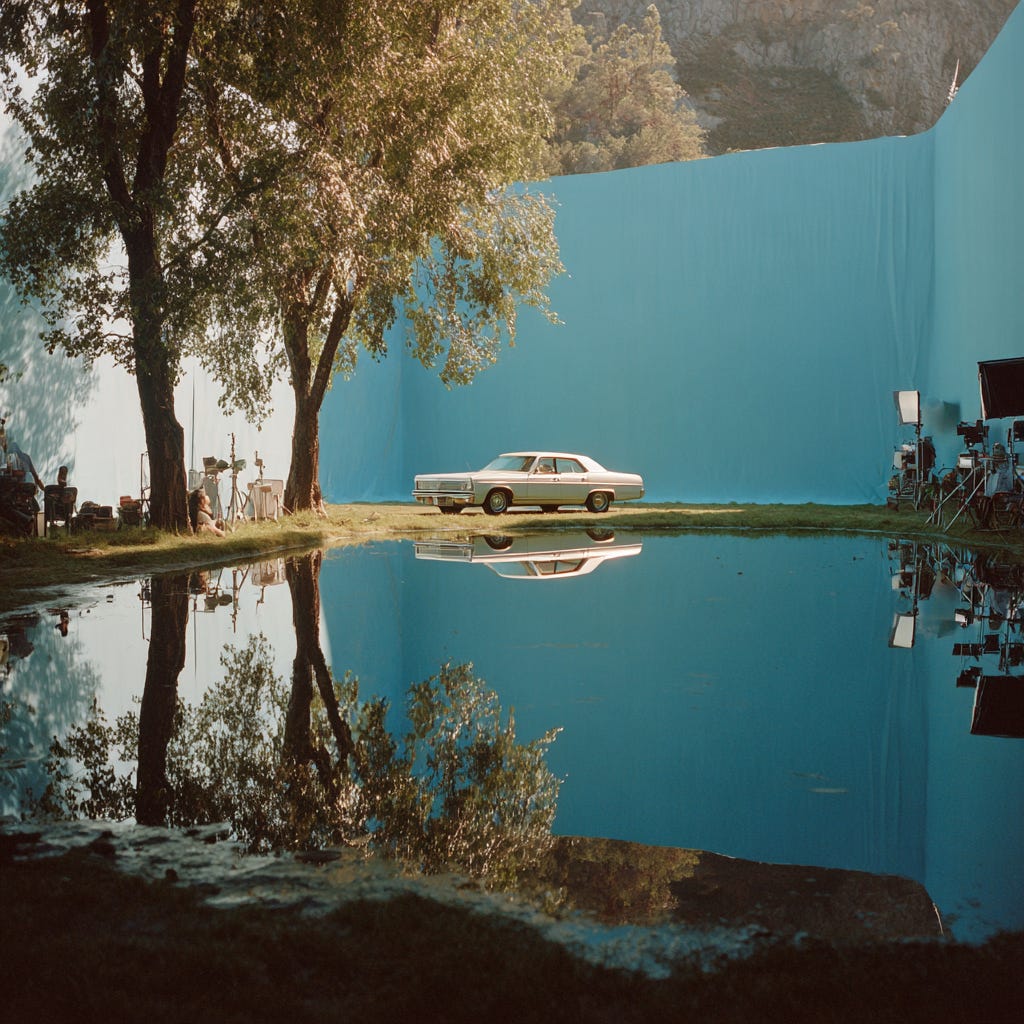
In us and by us, the culture persists, taking new forms. I miss what’s been lost, but look forward to participating with fellow obsessives not afraid of data or debate to similarly invest in improving and evolving what we have now. It will be difficult. There are uncertainties at hand (e.g., reduced production and publication; faltering cultural mainstays and institutions; AI coming into its own). We live, as they say, in a volatile period. Correction: It’s a shit show in many ways…but also an opportunity for…who knows?
I’m optimistic IF we can stop to ask honest questions about what came before while not inhibiting our capacity to endlessly re-imagine what’s possible on the screens, page and stage of our joined, multiplatform lives.
So, fear not, all you fellow arts and entertainment lovers. You can find wise solace in the same silly song you hear playing in nearly every dream-drunk barroom or concluding famous television shows or beaming from the ghost radios playing in the video store backrooms of your memory…you hear that romantic, ironic, hopelessly hopeful tune galvanizing today’s creative junkies and their champions.…
Some'll win, some will lose
Some are born to sing the blues
Whoa, the movie never ends
It goes on and on and on and on
And, yes, I did partly steal my blog title from the storied Journey song (with another ‘and on’ eternally left in my back pocket for what comes around the bend). Feel free to laugh. In addition to encapsulating how some people would describe my propensity to ramble—readers can keep me in check on that front—it also fits as a perfect reverberating distillation of the downright sublime and utterly absurd. Applicable to our interests here, no?
It also just felt stupidly right: a moving space we can fill with everything from pop errata to brain-enflaming discourse on the very future of arts and entertainment. Why not?
Join in. Let us follow it and see what happens. Onward.
What Next?
Upcoming pieces will focus on an overview of key streaming trends such as subscriber growth, engagement, consolidation, bundling strategies, international growth, and shifting business models (e.g., AVOD, SVOD, FAST).
I’ll look forward to your thoughts as the observations and findings unspool for consideration and discussion. Thank you, truly, with everything I can muster for reading and supporting this weird endeavor.
Sources
Brennan, Charlie. “Boulder’s Video Station Closing after 35 Years.” The Denver Post, Mar. 2017, www.denverpost.com/2017/03/01/boulder-video-station-closing/ .
Weismann, Brad. “Boulder’s Iconic Video Station Closes after 35 Years.” Filmpatrol.com, 2017, www.filmpatrol.com/2017/03/boulders-iconic-video-station-closes.html.
— Note on Imagery: Unless I’ve provided credits for images in these posts, please assume they are produced by GenAI tools. I am not a designer or visual artist. An admirer, only. But I do enjoy concocting crazy-ass but relevant prompts, then reviewing and tweaking what the mighty engine delivers. With this said, I love to showcase the doings of flesh and blood artists. Send me a suggested work if you believe a particular artist’s contributions would be better suited to replace one of the generated images. These entries can certainly evolve. I will consider your request. Many thanks.
This is the end. Want more?