


Alright, you’re the average consumer in the world.
You’re between 18 and 45 years old (the global median age is 30.9).1 After you awake each day to a cup of coffee…chai…tea…let’s call it chaiofftea, the amalgamated global drink of choice, what’s your weekly media intake like?
According to the data, you spend 5 hours and 8 minutes on streaming TV services and 5 hours and 7 minutes watching linear or broadcast television. If you’re so inclined, you catch a movie at the theater once a week, adding another 1.5 to 2 hours. That’s over 12 hours devoted to streaming, TV and movie theaters. This time also competes with the approximately 40 hours per week you spend on social media, long-form online video, podcasts, music, reading, and video games. Indeed, your senses are bombarded, your brain steeping in content.2,3
The immediate takeaway is pretty obvious: We live in constant media overload delivered across too many channels. The party isn’t crowded, it’s breaking fire code. To survive as a content producer, you must understand if audiences connect with a given platform or piece of content. Does it pierce the everyday swarm of image and sound? If not, it doesn’t exist.
In Part 1 of this series, we investigated how we arrived at the current mishmash film and TV ecosystem. Now, let’s explore what audiences actually want and don’t want.
Also, this ‘Part 2’ will be divided into two entries—post 2a and 2b, if you will. I had a lot to get through and, if TV series can cut up seasons in this way, why can’t I do so as well?
Pour some chaiofftea. Lean in.
Less a Stream, More Like a Flood

There’s the fact, too, that this average global consumer doesn’t exist. It’s a nice composite to help organize our initial thoughts…but c’mon, we live in the mad babel of audience segments splintering into sub-segments and sub-sub-segments (that’s a Moby-Dick joke there for any lit geeks out there). Individual consumers all demand customized platforms and tailored queues. This is the ‘personalization era’, after all. If you’re an entertainment publisher and/or provider, you’re sorting through endless cultural possibilities to pinpoint that exact right needle in a stack of needles.
When it comes to streaming, analysts point out that there are between 200 and 400 platforms active worldwide.4 It is difficult to know for sure, as not all markets report platforms in the same way. Some platforms blend with local TV providers, some are small enough to escape the radar, and some are illegal. All are spinning out content of some kind. Regardless, the last 10-15 years saw a seismic proliferation of options. The consequent madhouse leaves audiences sorting through platform after platform, row after row of titles.
And, when your everyday consumer realizes it is impossible to afford the wide range of apps and channels crowding their various screens, they begin to ‘churn’ in and out of services, or strategically start and stop subscriptions based on when desired programs are available on a given platform. It’s a common occurrence: 42% of U.S. subscribers regularly sign up, cancel and resubscribe to services.5 The need and want of consumers to streamline entertainment options is very real. U.S. households alone spend approximately $840 per year on streaming subscriptions.6 This figure includes and reflects both regional service costs and the growing number of paid subscriptions per household worldwide.7 Based on a study conducted by TiVo surveying 1,410 U.S. and Canadian respondents, the average number of video sources per user stood at 10.87 in total, with 7 of these sources reported as being “paid”, or subscriber-based.8
As these stats indicate, price sensitivity is the single biggest factor for consumers. In one survey, 52% of U.S. TV viewers said subscriptions are getting too expensive, a 77% increase since 2020. Not surprisingly, 39% of global consumers who have considered or canceled a subscription say cost is the main reason, followed by price increases (32%), not using it enough (30%), and paying for too many services (29%).9
When asked about cost, approximately 60% of U.S. consumers in another recent survey said they would cancel their favorite streaming service over a $5 price hike in their monthly subscription—and this is relevant across all providers, even popular options like Netflix and Disney+.10 Consider these sentiments in relation to the fact that streaming services continue to raise their prices on a consistent basis. Apple TV+ raised its monthly subscription price by 30% in August 2025 for U.S. and select international markets, from $9.99 to $12.99 per month.11 In October 2025, Disney+ went from $15.99 to $18.99 for its ad-free plan and $9.99 to $11.99 for its ad-supported plan.12 HBO Max likewise raised their monthly subscription costs from $9.99 to $10.99 for ad-supported plans and $20.99 to $22.99 for premium plans.13 Such price increases are not new, nor expected to abate. The moment of so-called ‘streamflation’ is underway.14
Will subscription numbers begin to drop off as a consequence, or will the success of hit shows like Severance, The Pitt, The Bear, and Bluey justify the additional cost for consumers? For comparison, as of this writing, Netflix charges $26.99 (before taxes and fees) in the U.S. for its ad-free Premium 4K + HDR tier plan.15 Though dominant in the premium streaming industry, even leaders like Netflix will confront more sensitivity to cost increases, especially when there are issues with content access, quality and discoverability due to the larding of services still competing for viewers.
But before we further investigate streaming, let’s first consider how cable and broadcast TV, YouTube, and movie theaters factor into consumer choice and cost considerations. All of these platforms and delivery methods feed into viewers' broader media diet. Evaluating one source in isolation fails to understand the interplay of entertainment options at work—and what it says about the evolving state of audience preferences in the streaming, film and TV ecosystem.
Cable is on Life Support…What Keeps It Going?
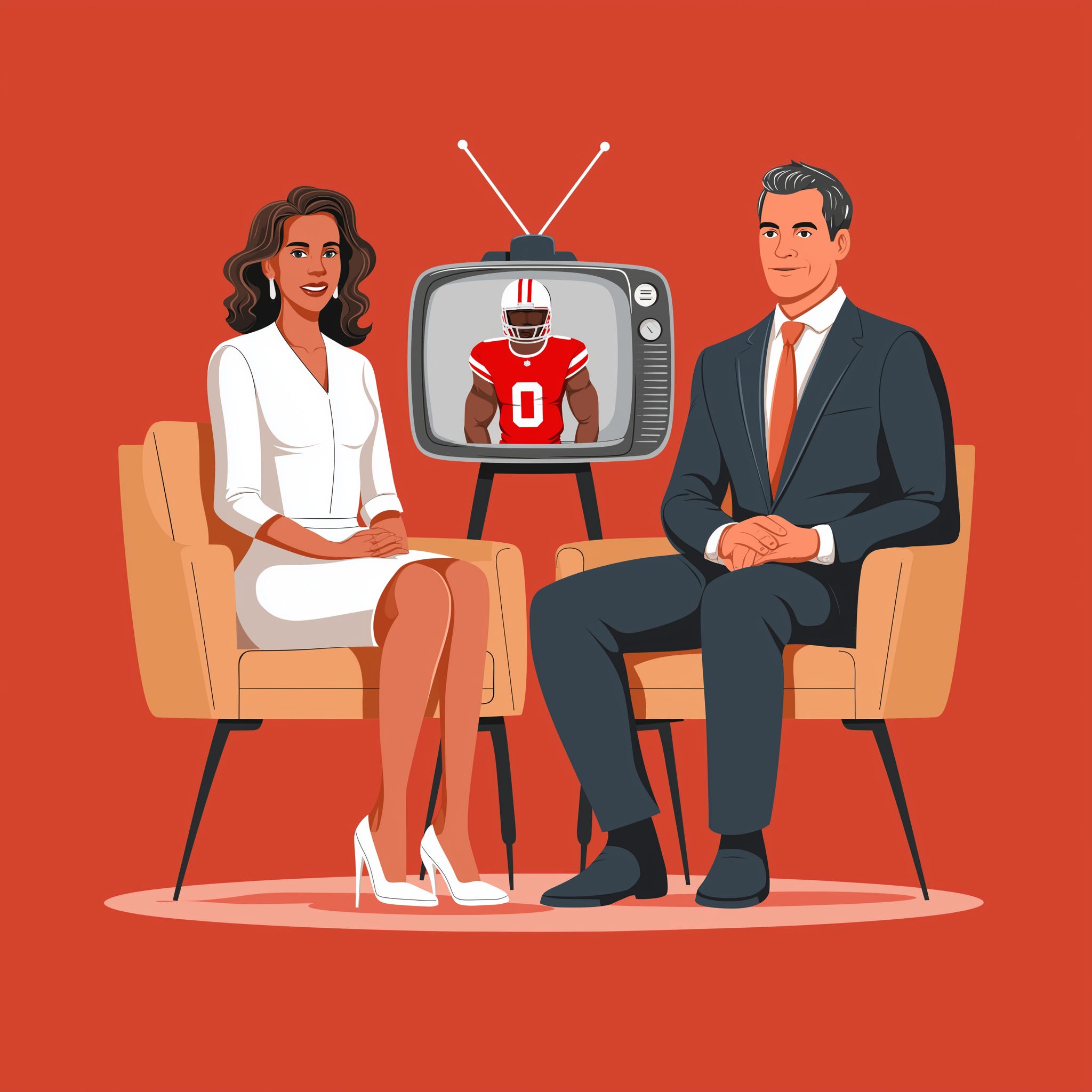
How do cable and linear television fit into such a dynamic? To what extent will consumers part with cash and precious viewing time that is not already allocated to ever-more expensive streaming services? More and more, the answer is not so much. Audiences are leaving linear broadcast and cable in droves for digital-first options.
Only 40% of U.S. households in 2025 maintain cable TV subscriptions, a 34.6% decline from 2010. The cord-cutting trend has accelerated, with 86.7% of cord-cutters citing high costs as the primary reason for switching to streaming services.16 Age also significantly influences viewing preferences. Linear broadcast and cable TV maintains an over 66% share of TV viewing time among audiences aged 55-64 in the U.S. For 16-24 year olds, OTT/streaming accounts for 51% of viewing time—and some estimates say that figure could be much higher.17 As of now, the future of media and entertainment will be streamed.
There are, however, a few last bastions of broadcast and TV: news and sports.
When it comes to news programming, one survey found that 62% of U.S. viewers prefer getting their news from TV rather than other platforms.18 Still, once influential national news service providers like CNN and MSNBC have hemorrhaged viewers in the past. Note: MSNBC has since rebranded as MS NOW following the creation of Versant (more on that below). Fox News is an influential outlier, however, averaging a prime time audience of 2.3 million viewers in October 2025. MSNBC, in the same month, recorded 815,000 total viewers in prime (down 41% from the same period one year ago).19 Clearly, many conservatives or conservative-leaning viewers maintain an allegiance to the Murdoch media empire.
Local news providers, too, maintain a relatively consistent viewership. Even with the myriad news options available in today’s media landscape, more than half of American adults report watching local TV newscasts somewhat regularly.20 Will this trend persist? It seems unlikely, as younger media producers and their Gen Z and Alpha audiences may look to news from popular podcasts and YouTube channels (more on that below).
Then, there’s sports, the most dominant remaining audience magnet on cable and broadcast TV.
One analysis shows that nearly 69% of the top content on Cable TV is sports-related content.16 For example, the NFL alone attracted over 20 million U.S. viewers in October 2025 across the major broadcast networks (i.e., CBS, Fox, and NBC).21 Fútbol/soccer also delivers massive TV viewership. For the FIFA 2025 Club World Cup, reports show that more than 131 million people across Brazil watched the tournament on television — the equivalent of 62% of the population (!).22
But the barbarians are at the gate. Major sports leagues recognize the obvious reach potential of streaming. They are being wooed away from cable and broadcast media in a gradual yet guaranteed fashion. Netflix now has exclusive rights to stream NFL games on Christmas Day through 2026.23 In July 2024, Amazon Prime Video and the NBA announced an 11-year media rights agreement, beginning with the 2025-26 NBA season.24 Beginning in 2026, Netflix will also commence a 3-year programming plan to feature the Major League Baseball season opening day game, Home Run Derby, “Field of Dreams,” “MLB at Rickwood Field”, and the “MLB Speedway” games.25 FAST platforms and channels are also becoming high-profile destinations for marquee live events, exemplified by FOX providing a free livestream of Super Bowl LIX on Tubi in February 2025.26 Emerging sports are also part of this growing trend. Consider FAST platforms like Free Live Sports (FLS), which offers 125 sports channels in over 70 countries. Each channel caters to a given sport and its fandom, while also allowing viewers to explore other sports. The potential here, particularly if one of these so-called ‘niche’ sports takes off, could be enormous.27
The reasons for this development are obvious and manifold. Sports generate significant revenue, attract short-term eyeballs and lure major advertising dollars. Yes, streaming platforms may face challenges, including high acquisition costs and potential viewer churn after seasons conclude, but the writing is on the wall. Platforms such as Netflix, Amazon, and Fox (Tubi)—as well as ascendant competitors in the field like FLS—are coming in force with considerable cash to buy the prized sports rights previously held by traditional broadcasters.
Across the sports rights scoreboard, in other words, the streaming battering rams are rushing at the traditional cable and broadcast gatekeepers.
Still, we’re not quite to a place where audiences feel at home in this new environment. Whether seeking established major or niche sports options, audiences want the easiest option to view their favorite teams and athletes in one location alongside their other favorite programs. In this transition period, fans often complain about how difficult it is to simply find and watch their local teams. Some games air on local broadcast channels. Some can be accessed only through league pass app-based subscriptions. Other games can be viewed on streaming platforms. It’s a frustrating mess. As a consequence, linear TV options (cable, traditional broadcast) that provide access to the greatest number of games in a given season will continue to retain eyeballs until the sports-rights horse race gives way to a more navigable, sane, and enjoyable viewing experience.
Regardless, the existential questions grow louder. Will news and a love for something akin to a nostalgic viewing experience keep the once-multibillion-dollar cable industry on life support? Will cable and broadcast continue to subsist on meager viewership if and when the sports rights issue resolves, with streaming services holding all the cards? Seems unlikely…
Wait! There’s That YouTube Thing
…unless we begin to redefine cable and traditional TV as part of the larger, integrated—still more complex—media mix delivered to evolving audiences.
This is where offerings from services like YouTube factor into the equation. YouTube TV, in particular, is a “cable-like” provider, or vMVPD, in the space exhibiting marked growth. Boasting 8-10 million U.S. subscribers, YouTube TV is expected by some analysts to surpass Charter and Comcast in total number of subscribers, which would make the virtual provider the largest pay-TV operator in U.S. history.28
In contrast, traditional Cable TV is now an albatross around media companies' necks, with corporate leaders constructing lifeboats/death rafts accordingly. Comcast NBCUniversal packaged its channel business into a new company called Versant. Warner Bros. Discovery, meanwhile, has signaled that further restructuring of its linear business remains on the table as it prioritizes streaming profitability and debt reduction. While The Walt Disney Company has publicly maintained its commitment to its linear networks, including ABC and its cable holdings, leadership has also acknowledged the long-term pressures facing the bundle, thus leaving open the possibility of future strategic shifts.29,30,31
It’s crucial to remember that YouTube TV is backed by the entertainment behemoth YouTube (which is supported by Alphabet pulling all the strings). YouTube TV also offers subscription packages such as NFL Sunday Ticket for sports fans, making the service even more attractive and lucrative in the foreseeable future. Cable providers must compete against a two-headed beast: YouTube TV for linear programming and live sports, as well as YouTube proper, with its endless hours of uploaded and user-generated content.32
And how is regular ol’ YouTube doing since its launch in 2005? As a monthly U.S. viewing platform in the television industry, it held 12.9% market share as recently as October 2025, according to Nielsen. In the same measurement period, Disney’s streaming and television portfolio ranked second with a 11.4% share, followed by NBCUniversal with 8.6% of total TV watch-time, and Fox ranking fourth with 8.4%. So, across key metrics, it’s winning the market competition in terms of accessible, viewable content…pretty handily, in fact.33
YouTube additionally benefits from being indispensable to traditional media companies. As Tony Maglio at The Hollywood Reporter wrote while discussing late-night program examples, “it is YouTube—not [a company] like NBC — that is the true destination for NBC late-night programming. If NBC pulled SNL, The Tonight Show and Late Night content from YouTube, it would lose millions in revenue and millions of eyeballs. For YouTube, the loss could be written off with a shoulder shrug.”34
More serious news programming could similarly share episodes on YouTube to complement the video podcasts and interview/news-adjacent shows already on the platform. Imagine a 60 minutes-type program or even a very old school Mike Wallace interview setup (relatively low cost, straightforward interviews) run by facts-driven journalists to counter the over-produced and biased news programming of today’s media ecosystem? Perhaps a pipedream. We’ll see. All you serious newshounds in your 20s, please take the baton and share ideas here on how to realize improved formats and economical production requirements, ideally suited for the next generation of audiences.
Nevertheless, there’s a recognizable pattern: easily digestible clips of shows—if not shows in their entirety—are posted on YouTube. People view and engage on the platform, and audiences may or may not also tune in to future broadcasts on the actual TV channels. Viewership numbers, though, suggest that most consumers DO NOT take this action; YouTube is typically the final destination.
Is YouTube TV and YouTube proper, then, the replacement of TV? It’s a hot debate between industry analysts, but such distinctions may ultimately not matter very much. What are people watching most at home or on their phones? The answer is YouTube and streaming services. Could that change? Probably not.
While the media landscape may further evolve for audiences as a combinatory experience of platforms and apps, it’s probably a safe bet that the old world order of cable and broadcast will be a shadow of its former prominence or collapse altogether as an old Vegas casino dynamited into memory. This era-ending shift will likely coincide with the streaming universe sorting itself out by paring down to a more manageable, cost-effective set of options for viewers seeking news, sports and live entertainment—as well as, of course, scripted and unscripted programming.
Indeed, ongoing ecosystem transformation seems an inevitability, but not without pain. Audiences will demand rapid industry-wide action to improve their home and mobile entertainment experience. This will be determined by how they direct attention and spend their money. Rest assured that not all providers and purveyors will make the cut.
Do You Want to Go See A Movie?

What of movie theaters? Can we envision a future for the church of cinema and popcorn dream room, or the urgent appeal of ‘get out of your damn house and off your phone’ film entertainment? Where do they fit in the entertainment ecosystem, not to mention in the consumer media diet more broadly? Will audiences fork over money for theaters when they’re already doling out for a crowded suite of SVOD options and sampling AVOD and FAST alternatives while potentially holding onto lingering cable subscriptions?
Many analysts have been lamenting the inevitable death of theaters for years. The actual state of affairs is a bit more complicated.
As discussed to an extent in the first entry of this series, the numbers tell a story of decline or, at least, a possible rethinking of theatrical movie-going culture and economics. The money doesn’t lie: U.S. Box Office sales in 2025 fell to roughly $8.87 billion, a 22% drop from pre-pandemic levels; this is partly due to the 2023 SAG-AFTRA and WGA strikes. The downward trajectory is nonetheless noteworthy.35 Simply put, fewer people are going to the movies: 25% of consumers attend the cinema at least every other month—a significant decline from the 40% pre-pandemic benchmark.36 And, the number of theater screens in the U.S. has shrunk to approximately 39,000 from over 41,000 before Covid-19 struck in 2020.37 In turn, some experts proclaim that theatrical demand has likely permanently declined by as much as 20% as consumers increasingly favor streaming and digital-first releases.38
Keeping these gloomy figures and shifts in media consumption in mind—it’s reality—there are still indications that consumers remain interested in going to the movies. While survey results often highlight how expensive it is to see a film in theaters, especially for families, consumer sentiment remains surprisingly positive despite understandable cost concerns. For instance, 95% of one U.S. moviegoer sample in 2025 expressed satisfaction with their experience. Crucially, 70% also agreed that the moviegoing experience “cannot be recreated at home”, though that was down from the 80% figure recorded in the previous year’s survey.39 Perhaps even more surprising, 72% of a global audience sample still considered movie theaters a “good value for money”.40
And when theaters also introduce so-called ‘premium’ on-site features and pricing benefits, audience satisfaction and interest increase. One study found that 74% of respondents valued premium large-screen experiences (IMAX, Dolby). As for nuances in the costs involved, 83% preferred discounts for lower-demand showtimes, and 56% were willing to pay more for preferred seating. When the theater environment offers a clear improvement on the everyday ease of watching from one’s couch, the incentive to leave the house becomes more compelling.41
Theater-going by age group is additionally noteworthy. In one research sample, 68% of audiences expressed enthusiasm for upcoming releases, with 83% of viewers under 34 excited about future content.41 This latter stat aligns with findings in an intriguing study released by the National Research Group (NRG) in which 60% of Gen Alpha participants said that they enjoyed watching movies in theaters more than at home. How does this compare to older viewers? The difference is significant: Gen Alpha is 14 points more likely than Millennials to say they favor movie theaters over streaming.42
The study highlighted that “Gen Alpha wants going to the movies to feel like a true event.” Theater-going is not viewed as burdensome, but as an appealing, large group activity—perhaps a refuge from their otherwise digitally saturated online lives. 31% of Millennials and 40% of Gen Z reported feeling the same.42 In real life (IRL) connection offers shared human moments apart from the endless scroll and autoplay of their otherwise plugged-in existence.
So, are movie theaters actually relevant again for younger generations, or merely a transient vibe that will fade away as present-day tweens embark on whatever GenAI-derived or techsynthetic stimultainment awaits them around the bend? It’s too early to tell. Forthcoming longitudinal studies will tell us one way or another.
And yet, though the movie-going culture may never be what it was in the past, there still seems to be a (literal) place for such experiences to lure audiences if programmers and exhibitors concentrate on making movie theaters an event for gathering and sharing entertainment in the moment. In this way, theaters can be both an antidote to the everyday gorge at the streaming buffet and an elevated addition, or a kind of capstone, to what people consume at home.
In turn, many theater chains have modified their offerings to raise the standard of customer service. Some chains, for instance, provide themed menus and curated programming. Even Netflix shows finales of popular TV shows like Stranger Things in theaters.43 The traditionally streaming-first powerhouse has also opened massive fan-oriented environments complete with viewing rooms/theaters called Netflix House, which are permanent, year-round venues “free to enter and brings some of our most popular shows and movies to life [ . . . ] through first-of-their-kind, immersive, story-driven experiences”.44 Part marketing venture, part amusement spectacle—bigger than a pop-up, smaller than but clearly inspired by Disney and Universal parks—such theater showings and event-based attractions could bolster and redefine theatrical exhibition.
This type of revamped customer experience for theaters is not necessarily new, either. For instance, should theaters return to a modern-day approach that ironically harkens back to the film industry’s legendary ‘picture palaces’ of yore? In the 1920s, film exhibitors built enormous, architecturally ornate ‘pleasure domes’ to serve as nightly electrified beacons where “the statuary, the carpeting, the mural decorations, all worked together to create an effect of overwhelming grandeur, but the frame had grown far more important than any picture. This was no accident, but the conscious plan of the theater’s manager and owners.” Maybe that’s not what they call ‘scalable’, but that kind of invested showmanship may be needed to cultivate customer wonder and genuine endearment, where ticket buyers arrive at the…
“[. . .] motion picture theater to live an hour or two in the land of romance. They seek escape there from the humdrum existence of daily life. Civilization has crowded from their lives other places where formerly they could get mental rest and imaginative release [. . .] However, people realize with gratitude that for a charge they can be picked up on a magic carpet and set down in a dream city amidst palatial surroundings where worry and can never enter, where pleasure hides in every colored shadow and music scents the air.”45
Grandiose? Bit much? Doubtless. But what is the 21st-century equivalent of making theaters—and, frankly, in-person entertainment altogether—a welcome distinction from ‘the humdrum existence of daily life that affords mental rest and imaginative release’?
Another quite blunt way to put it: if you’re going to ask people to fork over money for an in-person entertainment when they are already saturated with readily available options that distract and absorb, then you have to make it worth their while.
What’s Next to Take In?
How often have you topped off your chaiofftea while reading this? Or, did you move on to something a bit harder when you tallied up your own monthly subscription bills?
Based on the data we’ve reviewed, the odds are that you, too, feel a bit dizzy as a film and TV consumer. Streaming is convenient and offers endless hours of content, but rising costs and a surfeit of apps on screens are pushing the industry to a precarious tipping point. Cable and broadcast TV may still hold onto a significant percentage of sports and news programming, but providers like Netflix, Prime Video and YouTube are not so much knocking on the doors of these audiences as they are trying to tractor beam them in with a vengeance (“we made you a tailored foam finger avatar if you come over to our side!”). Movie theaters, while unlikely to regain the cultural primacy of their heyday, aim to become social gathering places replete with spectacle and whiz-bang features to remain relevant to ticket buyers who have become ever so choosy about when to leave the warm embrace of couches back home.
Remember, too, that this is about entertainment. It’s supposed to be enjoyable, rather than a stressful attention vacuum in which people must remain vigilantly aware of what and where they allocate those limited 12 or so hours per week to get their fix of streaming, TV and film. The precious, inextricable currency of hours and cash grows ever more scarce, and there are many additional forms of media clamoring for the same limited resources. The sensory overload is revved up to 11. No one at the party can hear themselves think.
For the next entry, we will continue to explore in greater detail how providers and publishers attempt to distinguish their value for audiences across the competitive streaming, film and TV ecosystem, particularly when it comes to achieving global reach and maximizing consistent ENGAGEMENT with their audiences—the holy grail buzzword priority of all providers and platforms these days.
Where we’re really headed with this discussion, however, is a sobering realization for audiences around the world: we live in an era where myriad forms of entertainment are available every minute of the day. What matters? What is worth the sacred moment of your attention that, once gone, can never be reclaimed?
Time to refill the cup and not let it go to waste.
What Else?
Stay tuned: Per above, get ready to further investigate in Part 2b what consumers want out of a streaming, film and TV ecosystem now aggressively invested in global expansion, content diversification and in-depth audience engagement.
Further reading: Rather than suggesting everyone read another study on one form of media in decline relative to another (check the sources below… there are many), I think this is an opportunity to contemplate the state of cultural influence, reflection, and exchange in a broader sense. Are we in a constant cultural feedback loop consequent of uber-fragmentation due to technological advancements and the wider media world providing us constant access to everything ever produced? Can we be new anymore? There is an intriguing article on the subject in the New York Times, published a few years back, that I haven’t been able to forget: "Why Culture Has Come to a Standstill" by Jason Farago. It’s a piece worth revisiting, too, as we go warp speed into the tortuous whorl of GenAI (“Hi Chat, can I get a complete syllabus on readings for understanding the entire history of human culture?” “Sure! That’ll only take a few minutes.”).
Of course, this extends far beyond the focus of this series, but the observations and principal questions posed by this article haunt the edges of the Escherian room we find ourselves in right now. Our multitudinous communities of fucked up selves bounce around this streaming, film and TV echosystem trying to fathom a possible entertainment future characterized by what is by turns eminently resonant and shareable—a day to come unveiling fresh sensoriums of that which is actually novel, inspired and…god forbid…joyful.
How do we collectively tap into this spirit again without throwing up our hands, wearied by the constant doubt accreting on our data-drugged brains that fail to process, let alone slow the metastasization of, our lack of basic connection? And, wasn’t improved connection supposed to be the whole bloody point of this marvelous, tech-driven information age? Maybe there are more mirrors and recognizable human stories to explore than we currently allow the world to reveal.
Challenge: Try to remember your media consumption for one weekend (Friday-Sunday). It may help apply an intimate, personal example of what we’re working through in these entries. Could be revealing for ya, too:
Record everything over 15-20 minutes (or less) on a Sunday evening. Do not overthink and do not record as you progress through the weekend—the point is not to be meticulous, but rather to see how much you can remember—basically: what sticks and retains value? Why?
See here for a sample template to fill out if wanted. Modify as you see fit. Example shown in row 1. Record hours for each piece of media consumed in .25 increments, rounding up as needed (i.e., .25, .5, .75, 1, 1.25, etc.)
Questions after you’ve completed the exercise: What media consumed the most of your time? Do you wish you consumed more or less (altogether and for each form of media)? What stood out as the most memorable media? Why? If you could have the weekend to live over again, would you consume more or less of anything recorded (as applicable)? Would you want to be more intentional or less so? Any overarching patterns or insights?
Media intake: Things that want to steal you away…
– Books: IT (1985) by Stephen King. I knocked out the quietly subversive Lonesome Dove a bit ago, then turned right into another 1980s magnum opus about the evils seething beneath mid-20th Century Americana. Though I still have a soft spot for the driving terror engine of Salem’s Lot (1975), and remain convinced King’s most effectively disturbing novel is Pet Sematary (1983), the intimate torments meted out by the ancient Pennywise the Clown leave a mark. The book amounts to a confession of how we sacrifice our misfit children to insatiable fears, hoping trauma and repression will fortify, numb and protect them to ensure their survival…for a while, anyway. What’s whispering from the drain? “It was a real voice, real as houses.”
– Small Screen(s): The Night of the Juggler (1980) directed by Robert Butler. So, I’m flipping through the Kino Lorber streaming app—which I just started exploring—in search of a curio to watch when I stumbled upon this gritty and unhinged urban action thriller. The premise? Beautifully exploitative pulp: an ex-cop chases after his tween daughter kidnapped by a wastewater treatment laborer turned delusional psychopath. The father, played by a relentless and calloused James Brolin, must outlast delirious car chases, passenger street preachers, quarter-operated peep shows, and homicidal police in a 1970s New York City limping along on the brink of collapse. When I started the film on a whim at 11:00pm, my heavy eyes were on the edge of closing…twenty minutes in, I was laughing and cheering at the screen. Before you watch, slather a boiled hot dog with spicy mustard and onions. Crack a cold beer. Have some fun.
– Big Screen: It Was Just an Accident (2025) directed by Jafar Panahi. Anybody remember that Roman Polanski revenge thriller Death and the Maiden (1994)? In that film, Sigorney Weaver portrays an escaped political prisoner that binds and prods a man she believes to be her former torturer. It’s a tense test of wills between the characters involved, and it mostly plays out in the claustrophobic confines of the woman’s seaside home. Now, imagine this type of psychological pressure cooker translated to a day spent traversing an entire Iranian city where its residents try to endure an authoritarian state in any way that makes ends meet. In this masterful moral tale, a former political prisoner turned mechanic hears the voice and creaking prosthetic leg of a man entering his garage that very much sounds like one of his former captors who blindfolded and interrogated him in the past. Consumed by fury and shame, the mechanic kidnaps the man with the aim of burying him alive, then finds himself plagued by doubt… is it him? What if he’s wrong? So begins the mechanic’s journey around the city, seeking out other former survivors to help positively identify a possible horrible embodiment of their haunting collective past.
Unlike the closed and somewhat histrionic stage dynamic of Death and the Maiden, Panahi’s tightly directed but expansive and often humorous take on the quandaries involved captures a society comprising not simplistic stereotypes but flesh-and-blood humans, where the line between good and evil, right and wrong, authoritarian and subject increasingly blurs by the minute. When did the ‘accident’ first happen? How do you repair? What does justice mean in such a context? No matter what you do, will the sound of your approaching tormentor ever go away?
Sources
“World Demographics 2025 (Population, Age, Sex, Trends).” Worldometers, 2025, www.worldometers.info/demographics/world-demographics/.
“Digital 2025 July Global Statshot Report.” DataReportal, 2025, www.datareportal.com/reports/digital-2025-july-global-statshot.
“Global Cinema Attendance Drops in 2024.” Inquirer Business, 17 May 2025, business.inquirer.net/525910/global-cinema-attendance-drops-in-2024.
“Streaming Services Statistics and Facts (2025).” Market.us Scoop, 2025, scoop.market.us/streaming-services-statistics/.
“Many U.S. Streaming Users Regularly Cancel and Resubscribe, But Bundles Reduce Churn.” The Hollywood Reporter, 2024, www.hollywoodreporter.com/business/business-news/streaming-bundles-churn-cancel-resubscribe-ampere-analysis-1235941007/.
“Consumers Are Spending $22 More a Month on Average for Streaming Services. Why Do Prices Keep Rising?” Los Angeles Times, 21 Nov. 2025, www.latimes.com/entertainment-arts/business/story/2025-11-21/why-do-streaming-prices-keep-rising-disney-netflix-paramount-what-to-know.
“35 Streaming Services Statistics You Need to Know in 2025.” Cloudwards, 14 Mar. 2025, www.cloudwards.net/streaming-services-statistics/.
“Number of Video Services Consumers Use Rebounds.” Stream TV Insider, 2025, www.streamtvinsider.com/content/number-video-services-consumers-use-rebounds.
“28 Streaming Trends and Statistics For 2025.” GWI, 2025, www.gwi.com/blog/streaming-trends-and-stats.
“2025 Digital Media Trends: Social Platforms Are Becoming a Dominant Force in Media and Entertainment.” Deloitte, 2025, www.deloitte.com/us/en/insights/industry/technology/digital-media-trends-consumption-habits-survey/2025.html.
“Apple TV+ Hiking Price, Will Now Cost $13 per Month in U.S.” Variety, 2025, variety.com/2025/tv/news/apple-tv-plus-price-increase-streaming-subscription-1236494949/.
“Disney Announces Price Increases for Streaming Services.” The New York Times, 24 Sept. 2025, www.nytimes.com/2025/09/24/business/media/disney-streaming-price-increase.html.
“HBO Max Plan Price Changes.” HBO Max Help Center, 2025, help.hbomax.com/US/Answer/Detail/000002580.
Korn, Melissa. “Streaming Prices Are Soaring—and Consumers Are Still Paying.” The Wall Street Journal, 13 Nov. 2025, www.wsj.com/business/media/streaming-prices-are-soaringand-consumers-are-still-paying-1bb7dbae.
Spangler, Todd. “Netflix Raising U.S. Prices for Second Time in Less Than Two Years.” Variety, 26 Mar. 2026, https://variety.com/2026/tv/news/netflix-raising-prices-second-time-in-a-year-1236700999/.
“Cable TV Statistics (2025) – Subscribers & Streaming Data.” Evoca TV, 2025, evoca.tv/cable-tv-statistics/.
“Digital 2025: TV Trends and Realities.” DataReportal, 2025, datareportal.com/reports/digital-2025-sub-section-tv-trends-and-realities.
“More Americans Prefer to Watch the News Than Read or Listen to It.” Pew Research Center, 20 Nov. 2025, www.pewresearch.org/short-reads/2025/11/20/more-americans-prefer-to-watch-the-news-than-read-or-listen-to-it/.
Joyella, Mark. “Fox News Crushes Cable News Ratings In October, Leads All Of Television In 2025.” Forbes, 29 Oct. 2025, www.forbes.com/sites/markjoyella/2025/10/29/fox-news-crushes-cable-news-ratings-in-october-leads-all-of-television-in-2025/.
“Spectrum News/Morning Consult Poll Finds 83% of Americans Trust Local News.” Charter Communications, 25 Aug. 2022, corporate.charter.com/newsroom/spectrum-news-morning-consult-poll-finds-83-percent-of-americans-trust-local-news.
“NFL’s Popularity Advances TV Seasonal Viewership Growth.” TV Technology, Nov. 2025, www.tvtechnology.com/news/nfls-popularity-advances-tv-seasonal-viewership-growth.
“FIFA Club World Cup 2025™ Achieves Global Success with 2.7 Billion Audience.” FIFA, September 9, 2025, https://inside.fifa.com/organisation/media-releases/club-world-cup-2025-achieves-global-success-with-2-7-billion-audience.
“Netflix Scores Two NFL Christmas Day Games Under Three-Year Deal.” The Athletic, 20 Dec. 2024, www.nytimes.com/athletic/5978068/2024/12/20/netflix-christmas-day-nfl-chiefs-steelers-ravens-texans-tv-media-streaming/.
“NBA on Prime Video.” Amazon MGM Studios Press, July 2024, press.amazonmgmstudios.com/us/en/sports/nba.
Marchand, Andrew. “Netflix to Stream Yankees-Giants on MLB Opening Day 2026 as Part of New 3-Year Agreement.” The Athletic, 25 Sept. 2025, www.nytimes.com/athletic/6662421/2025/09/25/netflix-stream-yankees-giants-mlb-opening-day-2026/.
“2025 Super Bowl LIX: Sign Up and Stream for Free.” Tubi, 2025, tubitv.com/superbowl.
“Cathy Rasenberger on How Free Ad-Supported Streaming Is Giving Smaller Sports the Visibility They Deserve.” USA Today, October 21, 2025, https://www.usatoday.com/story/special/contributor-content/2025/10/21/cathy-rasenberger-on-how-free-ad-supported-streaming-is-giving-smaller-sports-the-visibility-they-de/86820257007/.
"YouTube TV Bets on Modular Bundles, Aiming to Be the Largest USA Pay-TV Operator by 2027." Señal News, December 11, 2025. https://senalnews.com/en/data/youtube-tv-bets-on-modular-bundles-aiming-to-be-the-largest-usa-pay-tv-operator-by-2027.
“NBCUniversal Sets Date for 2026 Upfront, Which Will Include Networks Spinning Off Into Versant.” Variety, (date unavailable from URL), https://variety.com/2025/tv/news/nbcuniversal-date-2026-upfront-versant-1236543430/.
“And So It Begins: Paramount, Netflix And Comcast Formally Submit Bids For Warner Bros. Discovery.” Deadline, November 21, 2025, https://deadline.com/2025/11/paramount-netflix-comcast-submit-wbd-bids-1236625396/.
“Disney Is Reportedly Selling Some of Its Cable Networks.” Cord Cutters News, (date unavailable), https://cordcuttersnews.com/disney-is-reportedly-selling-some-of-its-cable-networks/.
“YouTube TV, Fox Standoff Impacts NFL Home Market Broadcasts, Not Sunday Ticket.” Reuters, August 26, 2025, https://www.reuters.com/sports/youtube-tv-fox-standoff-impacts-nfl-home-market-broadcasts-not-sunday-ticket--flm-2025-08-26/.
“Media Distributor Gauge – October 2025.” Nielsen, November 2025. https://www.nielsen.com/data-center/the-gauge/.
“YouTube TV Standoff With NBC Is a Warning Shot to the Industry.” The Hollywood Reporter, October 4, 2025, https://www.hollywoodreporter.com/business/business-news/youtube-tv-nbc-carriage-deal-industry-power-shift-1236392578/.
"North American Box Office Hits $8.87bn for 2025, Up 1.5% on Disappointing 2024." Screen Daily, January 2, 2026. https://www.screendaily.com/news/north-american-box-office-hits-887bn-for-2025-up-15-on-disappointing-2024/5212390.article. See also “Box Office Revenue in the United States and Canada from 1980 to 2024.” Statista, January 10, 2025, https://www.statista.com/statistics/187069/north-american-box-office-gross-revenue-since-1980/.
“Movie Theaters: Biggest Problems With The Industry In 2025.” Deadline, April 1, 2025, https://deadline.com/2025/03/movie-theaters-biggest-problems-2025-1236354239/.
“U.S. Lost 2,000-Plus Movie Theater Screens Amid Pandemic.” The Hollywood Reporter, March 16, 2023, https://www.hollywoodreporter.com/movies/movie-news/movie-theater-screen-losses-ticket-prices-1235346523/.
“Hollywood’s Theatrical Business At Risk Of Entering ‘Negative Feedback Loop’, Wall Street Analyst Warns.” Deadline, March 26, 2025, https://deadline.com/2025/03/hollywood-box-office-negative-feedback-loop-wall-street-1236351034/.
“Theater Bound: Moviegoing Trends & Insights Study Spring 2025.” Fandango, Spring 2025, https://images.fandango.com/cms/assets/3aea72c0-05dd-11f0-8321-2b978811c524--fandango-2025-moviegoing-trends-insights-study.pdf.
“GCF Global Research Amplifies Movie-Goers’ Voices: They Want More.” Yahoo Finance, March 19, 2025, https://finance.yahoo.com/news/gcf-global-research-amplifies-movie-180000354.html.
“Moviegoers Want More Comedies, Thrillers and Action Titles, Global Cinema Study Finds.” Variety, March 19, 2025, https://variety.com/2025/film/news/moviegoers-comedies-thrillers-global-cinema-study-1236340585/.
“Gen Alpha at the Movies: From Pixels to Popcorn.” NRG (National Research Group), August 2025, https://www.nrgmr.com/our-thinking/entertainment/gen-alpha-at-the-movies-from-pixels-to-popcorn/.
“Stranger Things Series Finale Coming to Netflix and Select Theaters for Fan Events.” Netflix Tudum, October 23, 2025, https://www.netflix.com/tudum/articles/stranger-things-5-finale-in-theaters.
“What Is Netflix House? Netflix House Philadelphia Open, King of Prussia, Dallas Tickets On Sale, Opens Dec. 11.” Netflix Tudum, (date from article content: November 2025), https://www.netflix.com/tudum/articles/netflix-house.
Koszarski, Richard. An Evening’s Entertainment: The Age of the Silent Feature Picture, 1915-1928. University of California Press, 1994, p. 25.
— Note on Imagery: Unless I’ve provided credits for images in these posts, please assume they are produced by GenAI tools. I am not a designer or visual artist. An admirer, only. But I do enjoy concocting crazy-ass but relevant prompts, then reviewing and tweaking what the mighty engine delivers. With this said, I love to showcase the doings of flesh and blood artists. Send me a suggested work if you believe a particular artist’s contributions would be better suited to replace one of the generated images. These entries can certainly evolve. I will consider your request. Many thanks.
This is the end. More?